
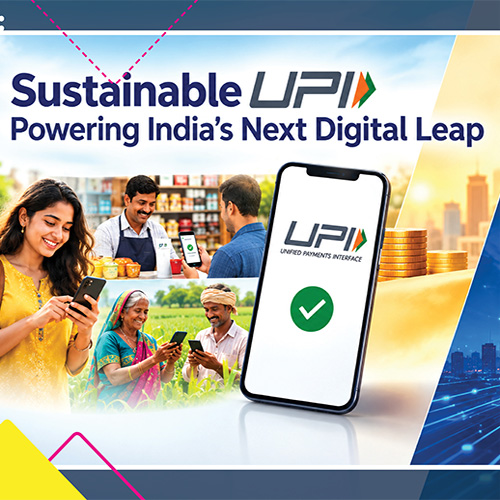
UPI has transformed everyday payments in India, making transactions instant, convenient and accessible while accelerating financial inclusion across the country.
The proposed merchant fee on certain higher-value transactions has triggered debate over whether UPI should remain completely free.
But the larger issue is the long-term sustainability of India’s digital payment infrastructure.
Payment networks require continuous investment in technology, cybersecurity, fraud prevention, infrastructure and innovation.
A sustainable commercial model can support these investments while enabling future capabilities.
India has seen similar transitions before.
ATMs and card networks initially encouraged adoption through low-cost services before evolving towards differentiated pricing as usage matured.
The critical issue is ensuring that merchant costs do not indirectly become consumer costs.
Smaller merchants operating on thin margins could otherwise increase prices or reconsider digital acceptance.
UPI’s extraordinary success came from combining simplicity, affordability and universal accessibility.
Any pricing framework must preserve these advantages.
The debate, therefore, should move beyond free versus paid.
The priority should be building a sustainable UPI ecosystem without weakening the digital-payment habit that transformed India.

See What’s Next in Tech With the Fast Forward Newsletter









Tweets From @varindiamag
Nothing to see here - yet
When they Tweet, their Tweets will show up here.