
The world is entering an era of multiple, interconnected conflicts, with wars and geopolitical tensions increasingly threatening economic stability and global security.
Russia’s war in Ukraine continues, while conflicts across the Middle East involving Israel, Iran and other regional actors are disrupting energy markets, shipping routes and international trade.
The economic consequences extend far beyond battlefields. Higher oil, transportation, insurance, food and fertilizer costs are increasing inflationary pressures and challenging energy-dependent economies.
Asia presents another potential fault line. Rising China-Taiwan tensions could threaten global semiconductor production, shipping lanes and financial markets if military confrontation escalates.
Meanwhile, North Korea continues strengthening its nuclear, missile and drone capabilities, keeping the Korean Peninsula at the centre of international security concerns.
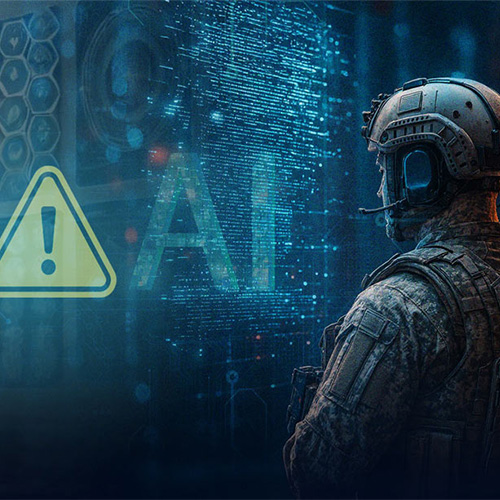
But warfare itself is changing. Cyberattacks, artificial intelligence, autonomous systems and deepfakes are becoming powerful instruments of information warfare, capable of creating confusion before physical conflict begins.
The emerging battlefield is therefore hybrid—combining missiles, cyberattacks, AI and misinformation. In this new environment, digital trust and real-time verification are becoming essential elements of national security.

See What’s Next in Tech With the Fast Forward Newsletter





Tweets From @varindiamag
Nothing to see here - yet
When they Tweet, their Tweets will show up here.