
India Blocks Bitchat: Security vs Freedom
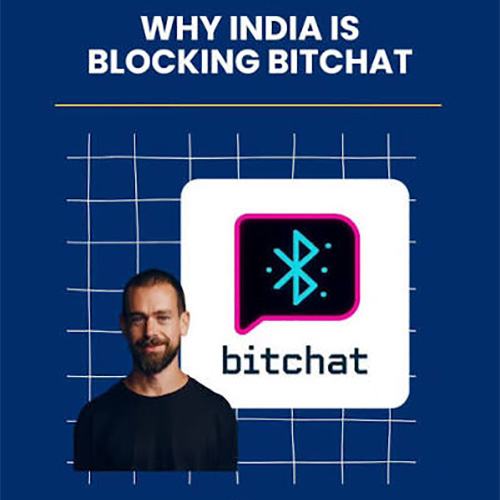
India has blocked Bitchat, Jack Dorsey's decentralised messaging app that works even without internet. Authorities cite security, anonymity and lawful-interception concerns after the app was reportedly used during Delhi protests, but the move raises questions about transparency and proportionality.
Unlike WhatsApp or Telegram, Bitchat lets nearby phones form a Bluetooth mesh network that relays messages offline. It uses the Nostr protocol when internet is available, encrypts private chats and stores messages locally. It needs no phone number, email or account.
Usage surged during the July 2026 Delhi protests, when mobile internet was restricted around demonstration sites. India accounted for about 85% of global downloads between July 17 and 23, up from roughly 1% the month before. Following a MeitY request under Section 69A of the IT Act, the app was removed from app stores.
The government's worry is the combination of encryption, anonymity, decentralisation and offline operation. With no central server, identifying users, tracing communication chains and investigating terrorism or public-order incidents become difficult.
Digital-rights advocates argue that blocking an entire platform for potential misuse is disproportionate, because it also hurts journalists, emergency responders and citizens during network failures. The ban may also fall short: installed copies still work offline, and the open-source code can be redistributed, though unofficial versions carry malware risks.
The episode goes beyond one app. India must stop secure tools from being exploited for crime while preserving legitimate access to them. Without clear disclosure of the legal grounds, the debate over Bitchat will outlast the ban itself.

See What’s Next in Tech With the Fast Forward Newsletter









Tweets From @varindiamag
Nothing to see here - yet
When they Tweet, their Tweets will show up here.