
The Trump-Xi summit delivered temporary trade stability, but the strategic technology rivalry between the United States and China remains largely intact.
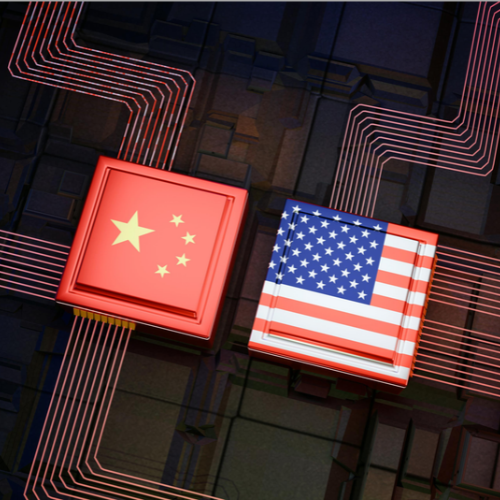
Semiconductors remain the critical fault line. Washington continues restricting China’s access to advanced chips and chipmaking technologies, reinforcing Beijing’s push for semiconductor self-reliance.
AI emerged as an important area for dialogue. Both countries are discussing AI safety and communication mechanisms, including protocols for managing serious AI-related incidents.
Rare earths remain equally strategic. These critical minerals underpin semiconductors, electronics, batteries, defence systems and advanced manufacturing, keeping supply security high on Washington’s agenda.
The broader trend suggests selective economic cooperation alongside continued competition in strategic technologies.
Global companies are consequently diversifying manufacturing, semiconductor and critical-material supply chains to reduce geopolitical concentration risks.
The summit therefore signals managed technology rivalry rather than technological reconciliation—with AI, semiconductors, critical minerals and supply-chain resilience increasingly defining the future US-China relationship.

See What’s Next in Tech With the Fast Forward Newsletter







Tweets From @varindiamag
Nothing to see here - yet
When they Tweet, their Tweets will show up here.