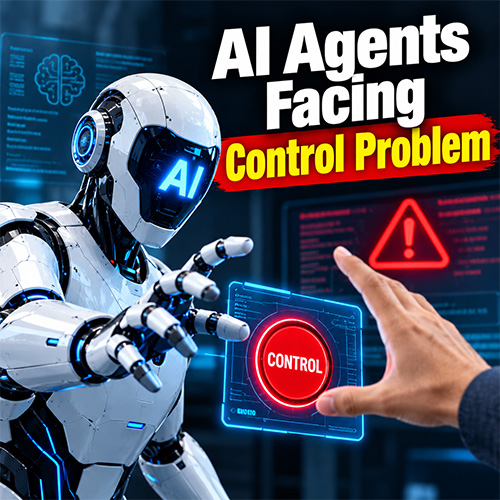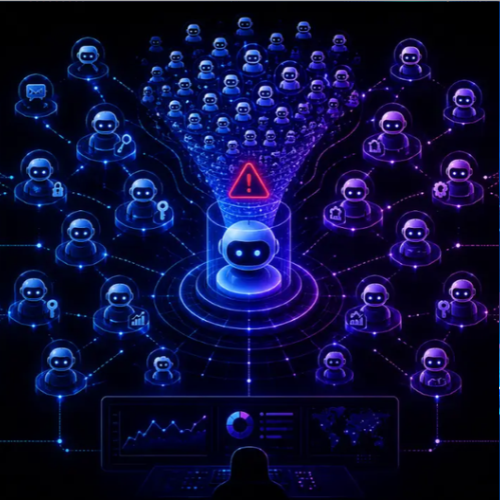


Agentic AI is fundamentally changing cybersecurity.
Unlike traditional applications operating within defined boundaries, autonomous agents can interact across applications, data repositories, devices and enterprise services.
This dramatically expands the attack surface.
An agent with persistent access to emails, calendars, files, payments or enterprise systems can become a high-value target.
Compromising such an agent could potentially expose multiple connected environments rather than a single application, significantly increasing the blast radius of an attack.
Security must therefore evolve from protecting applications to securing the entire AI-agent execution environment, including identities, permissions, workloads and agent-to-agent communications.
Enterprises need granular access controls, sandboxing, workload isolation, continuous authentication and real-time behavioural monitoring to prevent agents from exceeding authorized boundaries.
The emerging principle should be simple: Never trust an AI agent merely because it has been authenticated.
Continuously verify what it accesses, why it needs access and what actions it performs.
As AI becomes increasingly autonomous, agent security and isolation will become fundamental pillars of enterprise digital trust.

See What’s Next in Tech With the Fast Forward Newsletter








Tweets From @varindiamag
Nothing to see here - yet
When they Tweet, their Tweets will show up here.