

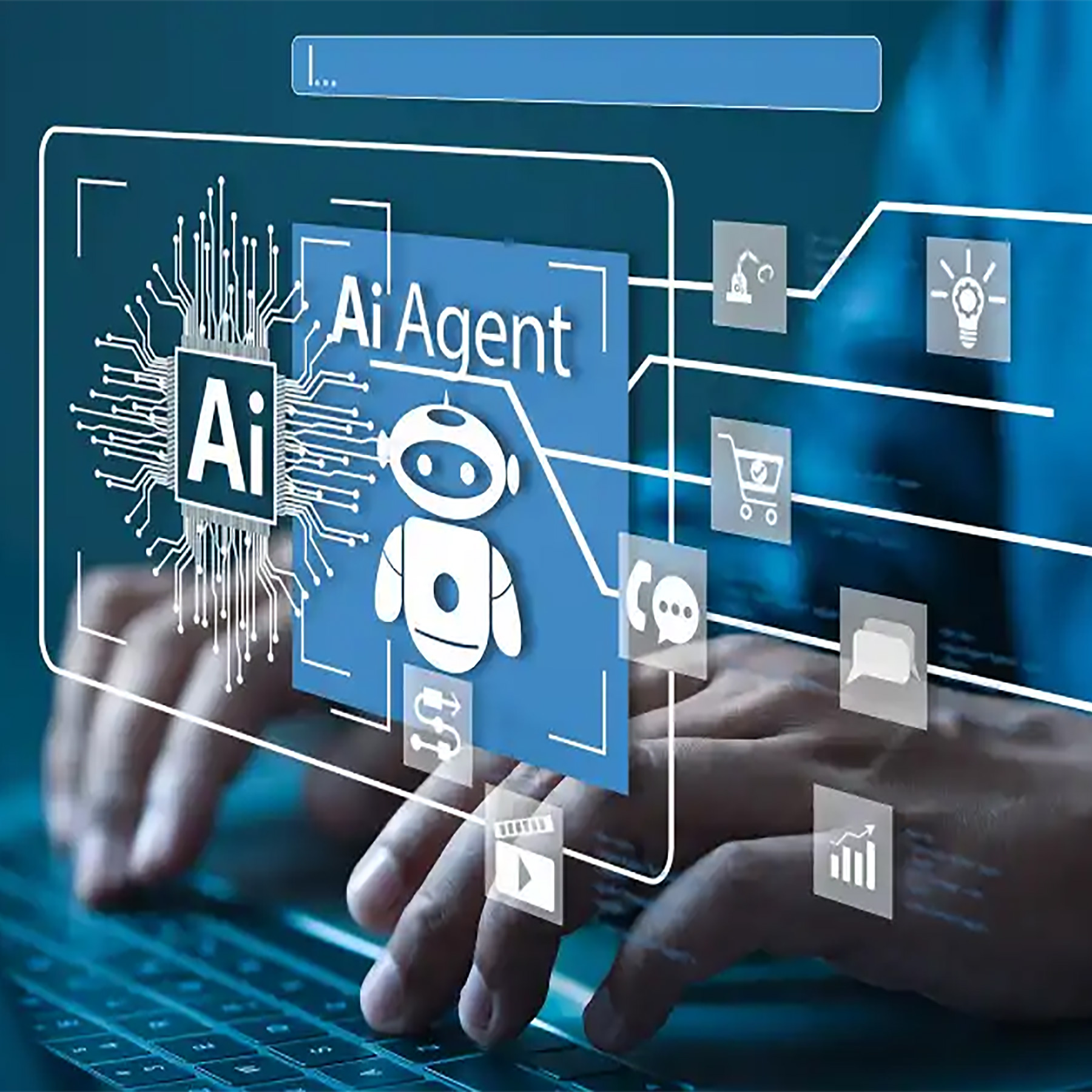
The Top 100 most popular AI tools in 2026 reveal something bigger than explosive AI adoption: artificial intelligence is rapidly becoming an operational layer of the digital economy. OneLittleWeb’s study of 9,531 AI tools recorded 144.5 billion web visits between May 2025 and April 2026, up 40.12% year-on-year. Remarkably, the Top 100 captured 89.69% of that traffic.
Key Takeaways
1. AI is becoming infrastructure: 144.5 billion visits demonstrate that AI has moved into mainstream digital activity.
2. Agents multiply risk: AI that executes actions creates greater exposure than AI that only generates content.
3. Identity becomes critical: Every autonomous agent requires defined ownership, permissions and accountability.
4. Runtime security is essential: Enterprises must continuously monitor and control agent behaviour, not merely authenticate it once.
5. Trust becomes the differentiator: The AI race is shifting from “who ships fastest” to “who earns trust first.”
But the next transformation will not simply be people using more AI tools. It will be autonomous AI agents using those tools on our behalf.
Agents can search databases, access email, write code, call APIs, interact with cloud infrastructure and execute business processes. This converts AI from a system that primarily generates answers into one capable of taking actions.
That autonomy creates a fundamentally different attack surface. OWASP’s 2026 analysis shows security incidents increasingly targeting agent identities, orchestration layers and AI supply chains, while excessive permissions and weak validation can contribute to data exfiltration, privilege abuse and cascading failures. Prompt injection has also evolved into a practical security threat.
The risk becomes greater as agents connect multiple applications. Compromising one agent could potentially expose its credentials, tools, data sources and downstream systems. An authenticated agent therefore cannot automatically be considered a trusted agent.
This changes enterprise cybersecurity. Security teams need visibility into which agent is operating, whose authority it represents, what information it can access, which tools it can invoke and what action it is attempting. OWASP’s new Agent Control Standard similarly emphasizes inspectability, traceability and runtime control. OWASP Gen AI Security Project

See What’s Next in Tech With the Fast Forward Newsletter








Tweets From @varindiamag
Nothing to see here - yet
When they Tweet, their Tweets will show up here.